Description
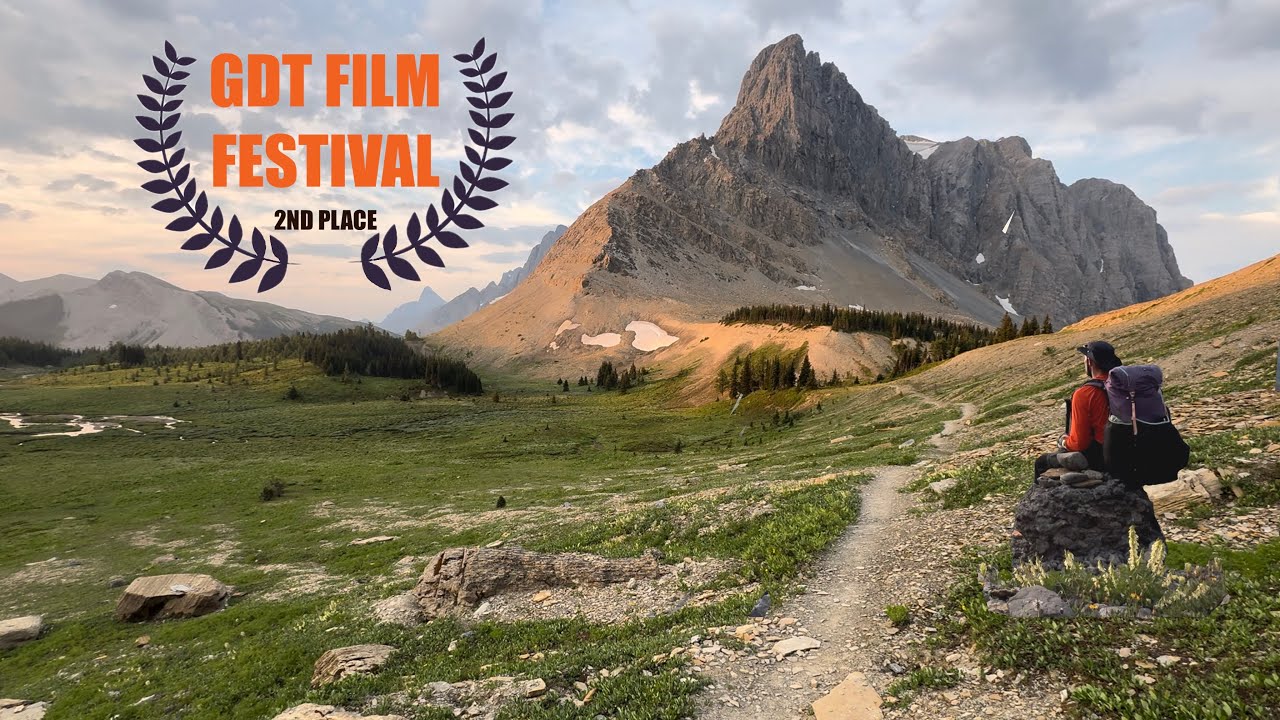
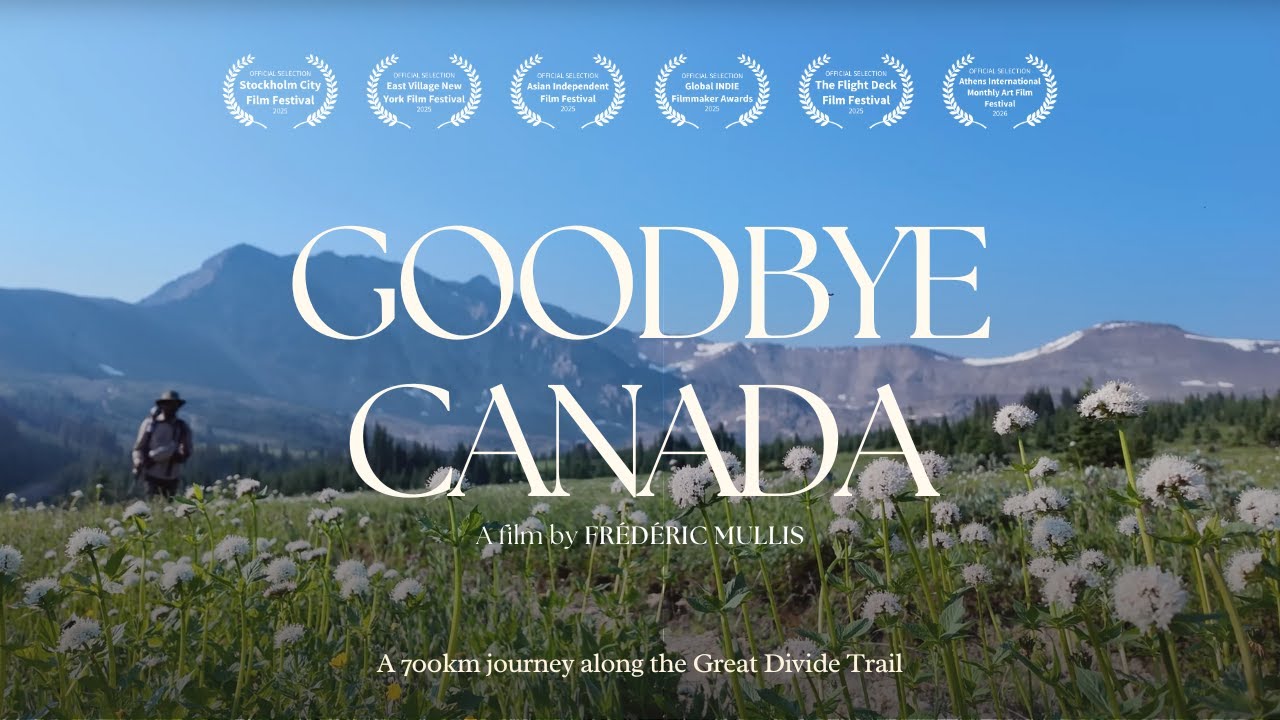
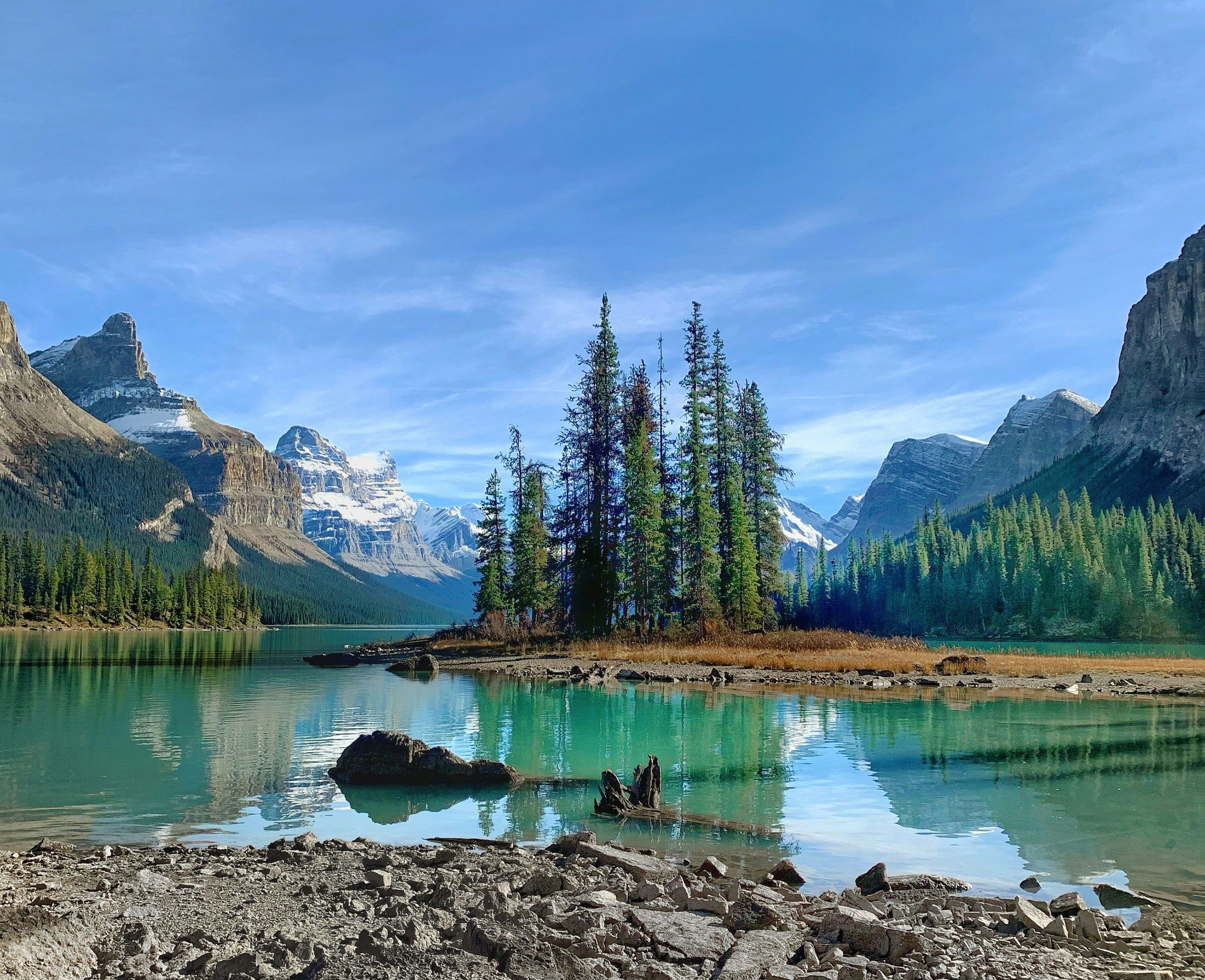
The Great Divide Trail is an epic long-distance hike through the Canadian Rockies, following the Continental Divide for over 1,100 km from the U.S. border to northern British Columbia. Starting near Waterton Lakes (Alberta, adjoining Glacier NP in Montana) and ending at the remote Kakwa Lake in BC, the GDT traverses some of North America’s wildest mountain terrain. Hikers pass through five national parks (Waterton, Banff, Kootenay, Jasper, Yoho) and numerous provincial parks, encountering towering peaks, glacial lakes, mountain passes, and abundant wildlife (elk, bears, mountain goats).
The trail is more of a wilderness route than a continuously groomed path – sections are faint or unmarked, with challenging navigation, river fords, and rugged footing. Total elevation gain is enormous (~34,500 m), equivalent to almost four Everest ascents. A thru-hike takes roughly 8–10 weeks. Most hikers tackle it in summer, hiking northbound to finish before snowfall. Along the way, they experience iconic sights like Mt. Assiniboine, the turquoise Lake Louise (via alternates), the Athabasca River headwaters, and Mount Robson towering nearby (on an optional route). The GDT demands self-sufficiency, expert backpacking skills, and often solitude – but rewards with an unparalleled immersion in the grandeur of the Rockies.
Route
Loading the exact GPS route…
Elevation
Loading elevation chart...
Getting There & Back
Typically thru-hiked northbound. Southern terminus at Waterton Lake (U.S. border) is reached via Waterton Park in Alberta. No formal markers at the start/end. Resupply is challenging – hikers must hitch or detour to off-trail towns (e.g. Coleman, Banff, Jasper), or arrange food caches. Navigation skills are essential as parts of the trail are unmaintained. Multiple permits (for national and provincial parks) are needed along the way. The northern terminus at Kakwa Lake is very remote – hikers often arrange a long 4x4 pickup or hike an extra ~80 km on logging roads to the nearest roadhead.
Accommodation
Wild camping is the norm (tenting on backcountry sites). Some designated campsites in national parks (reservation/permit often required in parks). Occasional stays in trail-town hostels or lodges when descending for resupply (e.g. in Field, Lake Louise, Jasper). A few Alpine Club huts can be used via alternate routes.