Description
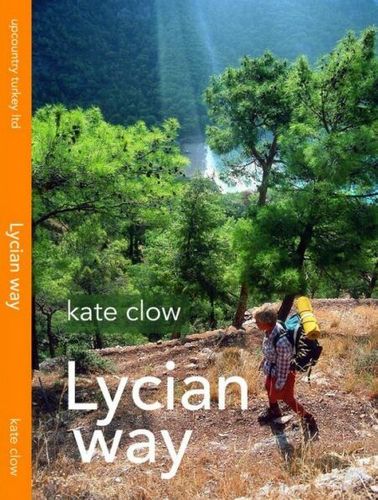
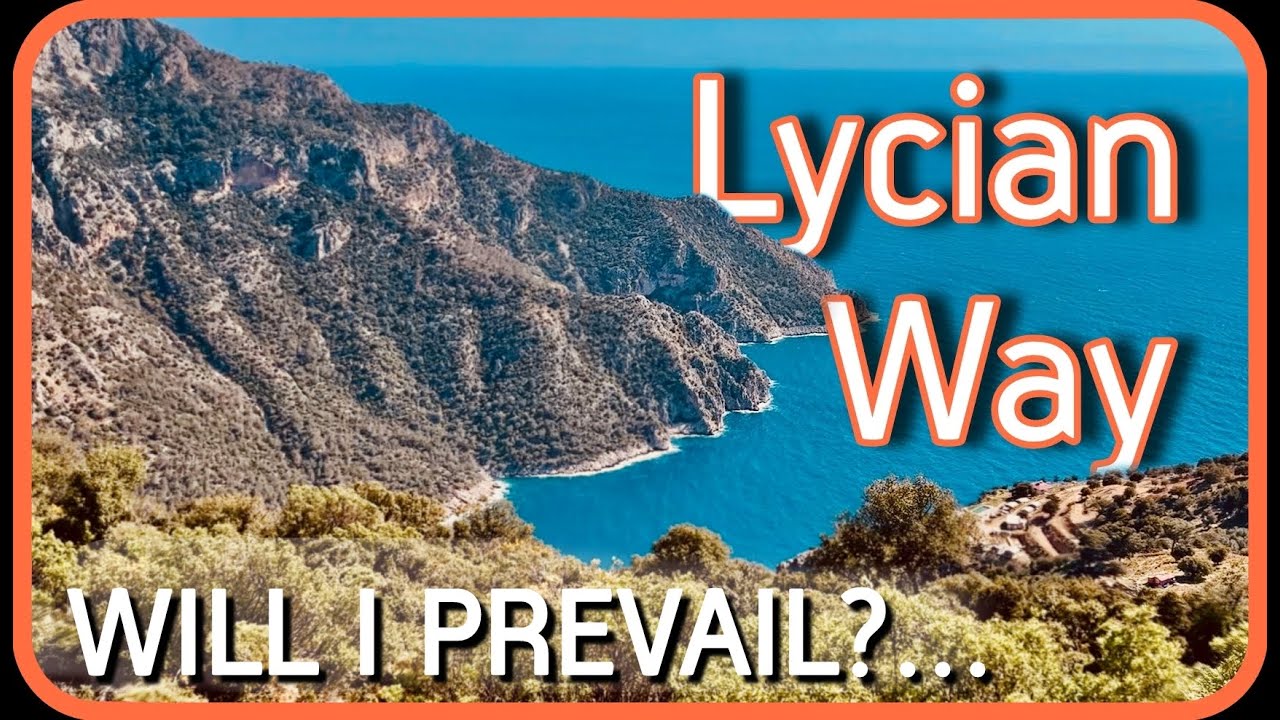
The Lycian Way is a 525 km waymarked trail along the mountainous Teke Peninsula of southwestern Turkey, famed for combining Mediterranean coastal beauty with ancient Lycian history.
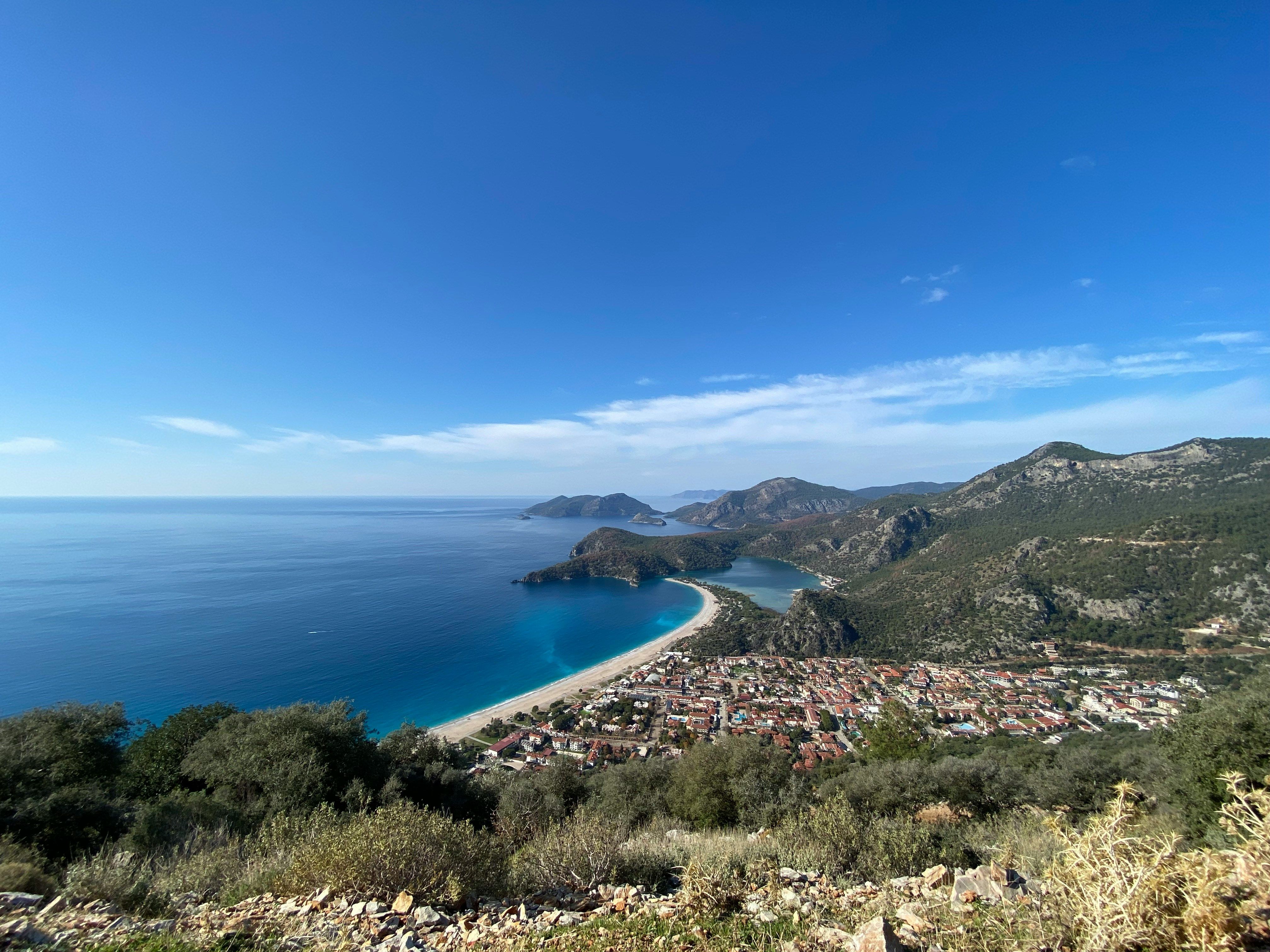
Starting near Fethiye and ending near Antalya, the route meanders through the Taurus Mountains and along Turquoise Coast cliffs. Hikers traverse pebble beaches, pine forests, and rocky goat paths high above the sea. Highlights include the abandoned ghost village of Kayaköy, stunning lagoon views above Ölüdeniz, the lighthouse at Cape Gelidonya, and Mount Olympos (Tahtalı Dağı) (which the trail skirts at ~1,800 m with an optional summit). Ancient Lycian ruins are a constant theme – from the cliff tombs of Myra to the expansive theater at Patara, and cities like Xanthos and Olympus tucked in forests. The trail can be rugged: hot, dry stretches with limited water, and steep ascents/descents on stony terrain (total ascent ~21,000 m).
Traditional Turkish villages provide lodging and rich culture along the way – hikers might stay in pansiyons (guesthouses) and enjoy home-cooked mezze and tea. The climate allows almost year-round trekking, though summers are extremely hot. Typically it takes 3–5 weeks to thru-hike, but many do shorter sections. The waymarking (red-yellow paint flashes) and annual maintenance by volunteers make navigation straightforward. From dramatic coastal vistas (e.g., above Kabak Bay) to shepherd trails through high pastures, the Lycian Way offers an intoxicating mix of nature and history on the storied Lycian coast – often cited as one of the world’s great long walks.
Route
Loading the exact GPS route…
Elevation
Loading elevation chart...
Getting There & Back
The trail is generally walked west-to-east (Fethiye to Antalya). Guidebook and GPS useful but waymarks suffice. One needs to carry water for dry stretches. Turkish inter-city transport or local dolmuş (minibuses) can be used to skip ahead or reach nearby towns. The route passes through many villages where one can resupply food and enjoy Turkish meals/tea. Culturally appropriate attire (modest) is advised in villages. The trail occasionally intersects Roman roads and goat paths – sturdy footwear recommended.
Accommodation
Abundant pansiyons (guesthouses) and small hotels in villages/towns (e.g., Ölüdeniz, Kas, Adrasan). Homestays in some rural areas. Camping is also common/allowed – many scenic wild camps on beaches or plateaus. A few organized campgrounds exist near tourist areas. Water sources are available but sometimes far apart – cisterns or village wells.