Description
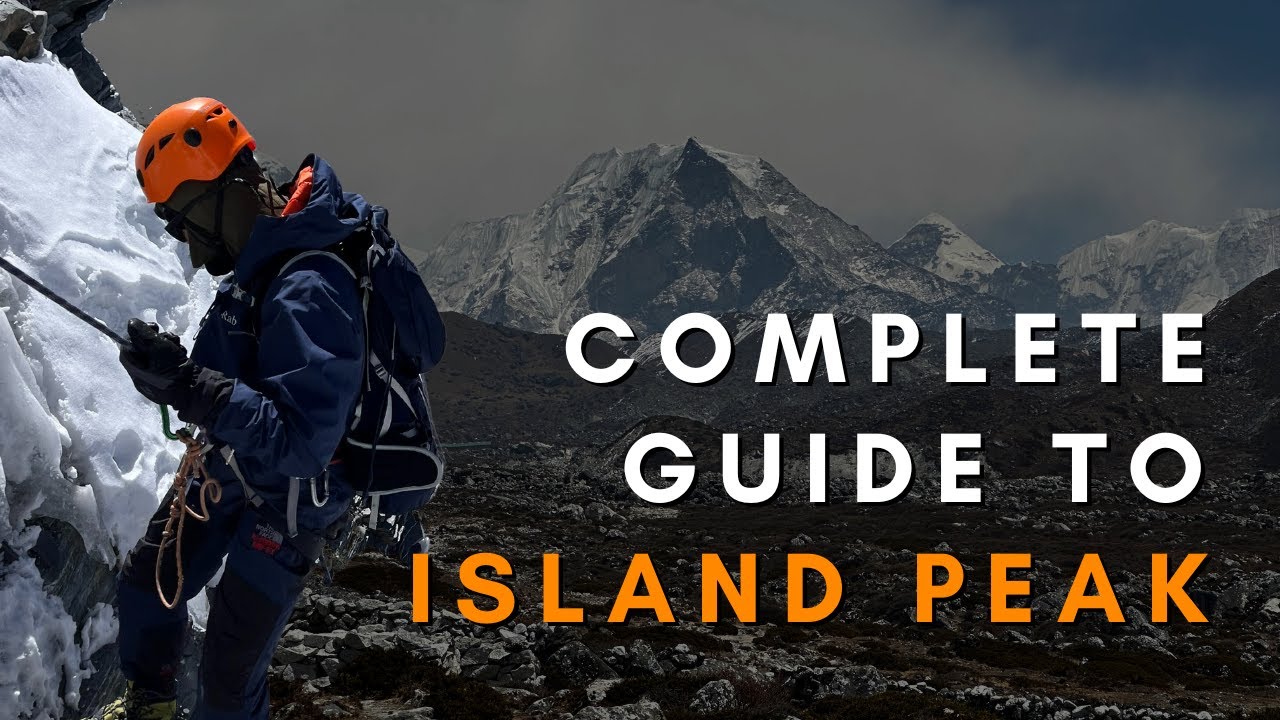
“Island Peak,” known locally as Imja Tse (6,189 m), is a popular trekking peak in the Everest region of Nepal that offers a taste of Himalayan mountaineering. Often climbed as an extension of the or Khumbu trek, Island Peak rises like an island in a sea of ice – hence the name – surrounded by the towering Lhotse/Nuptse wall and other giants.
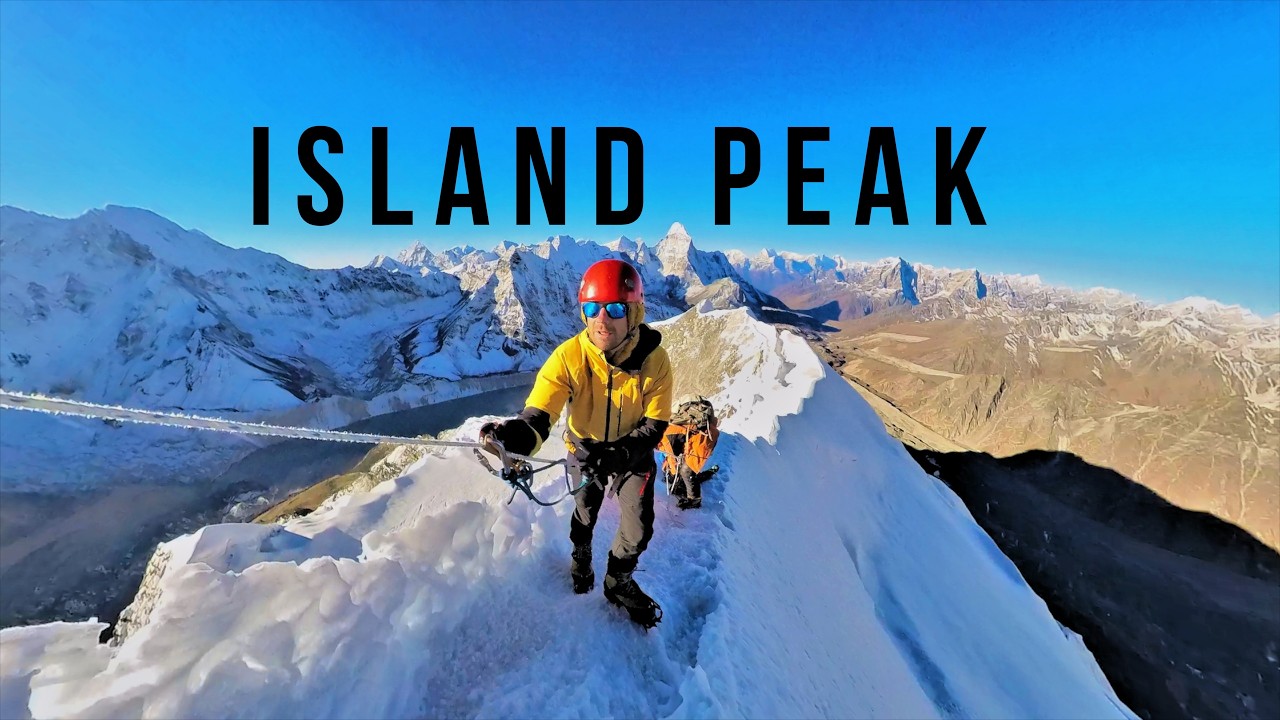
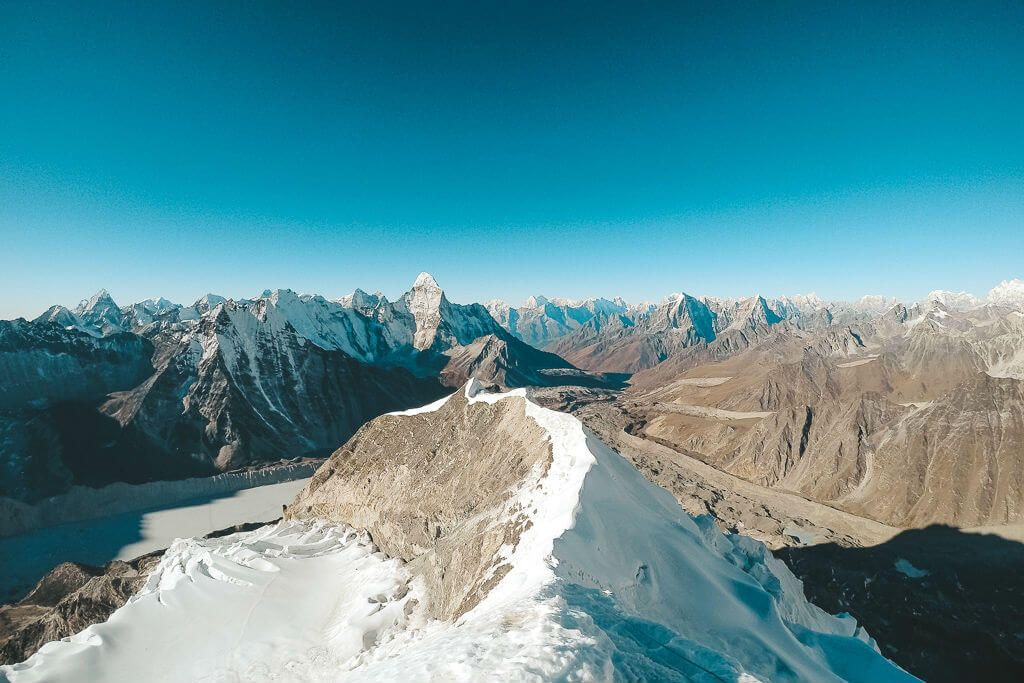
The journey typically starts with the classic hike to Everest Base Camp or Chhukung for acclimatization, then diverts up the Imja Valley. Base Camp for Island Peak is established at ~5,080 m in a rocky basin (often just tents on scree). Summit day is demanding: climbers ascend steep zigzags of scree and rock to reach the snow line (~5,700 m), then roped up, traverse the Imja Glacier and ascend a 150 m high 45-50° snow/ice headwall near the summit. Fixed lines are usually in place on this final steep section leading to the narrow summit ridge. The reward at the 6,189 m summit is a breathtaking panorama – an up-close view of Lhotse’s south face, and sights of Makalu, Ama Dablam, and a sea of lesser peaks. The climb is non-technical by mountaineering standards (PD grade), but requires use of crampons, ice axe, harness and familiarity with jumaring on fixed ropes. Most expeditions hire climbing guides who handle rope fixing and safety. After summit, climbers descend to base camp and trek out via the same route. Island Peak is often the first 6,000 m peak for many, giving a thrilling high-altitude experience amid the famous Khumbu scenery.
Route
Loading the exact GPS route…
Elevation
Loading elevation chart...
Getting There & Back
Requires a climbing permit (from NMA) and typically a hired climbing Sherpa/guide. Common itinerary: Trek Lukla – Namche – Dingboche – Chhukung (acclimatize), then move to Island Peak Base Camp (guided climb of 1–2 days). Climbers use mountaineering gear (crampons, harness, ice axe, helmet); these can be rented in Nepal. Fixed ropes are placed on summit headwall. Most teams leave BC around 2 AM for a summit around mid-morning (to avoid afternoon weather). After summit, return to base and trek out to Lukla (3–4 days). All travel to/from Lukla is by flight. Seasonal conditions: spring may have more snow on the headwall; autumn can have more exposed ice.
Accommodation
Teahouses on approach (Lukla to Chhukung) – standard Khumbu lodges with beds and meals. At Island Peak Base Camp, usually tented camping is required (no permanent hut; climbing groups establish a tent camp). Some use an intermediate High Camp (~5,600 m) with tents for a shorter summit day.