Description
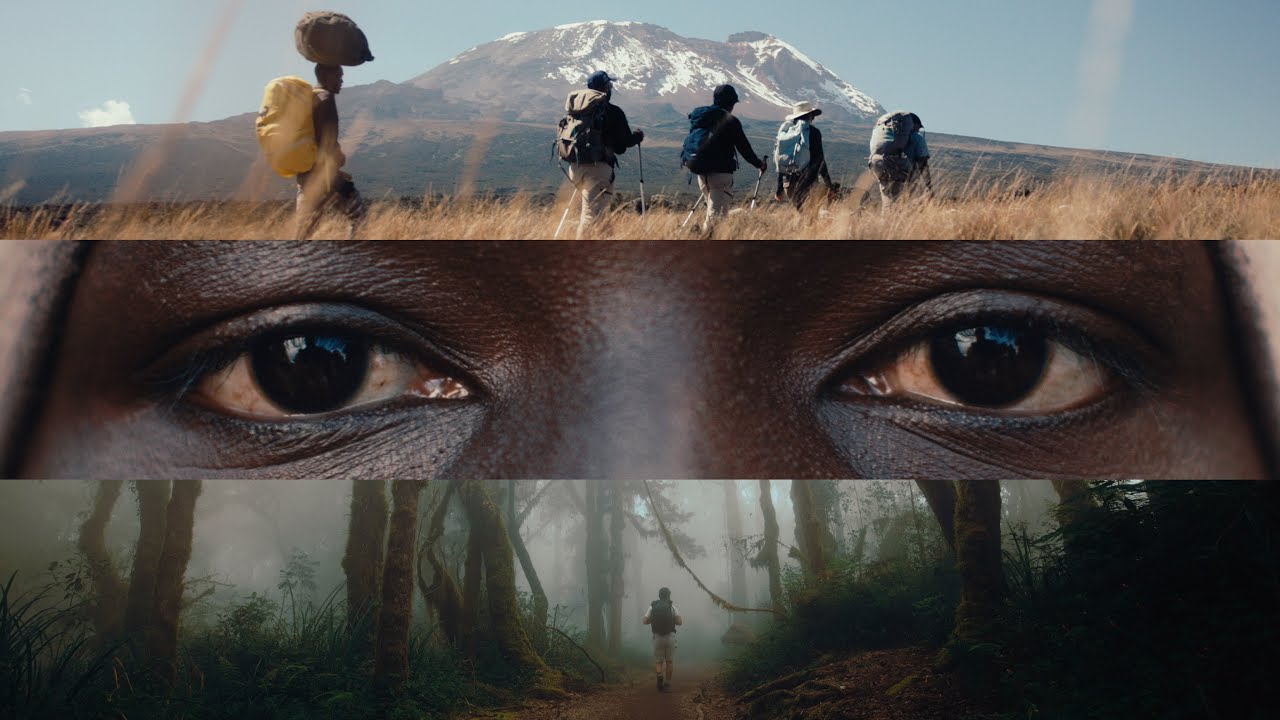
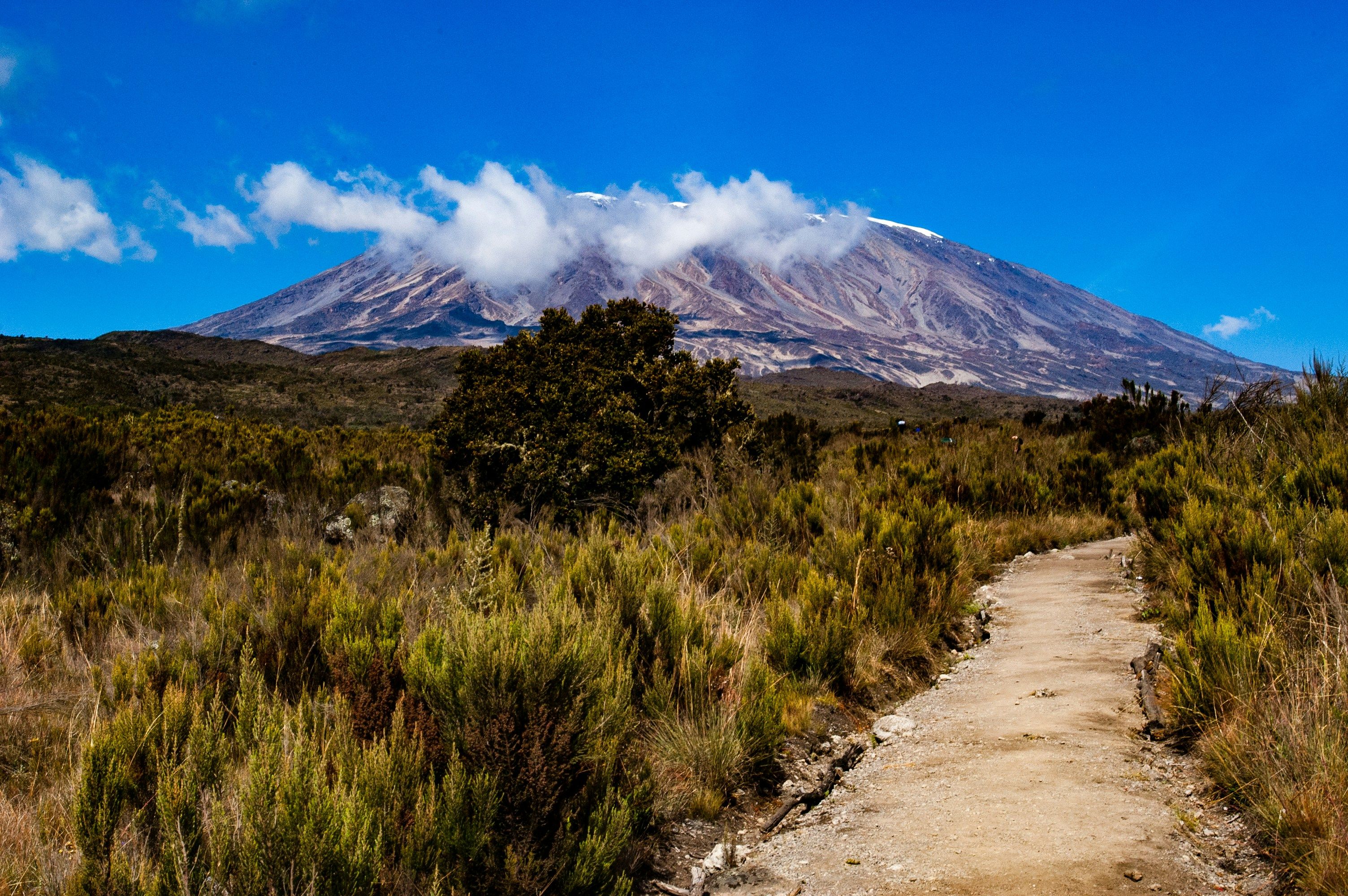
Mount Kilimanjaro is a singular geographical phenomenon, a massive stratovolcano rising 5,895 meters from the Tanzanian plains to the "Roof of Africa." The trek is an ecological odyssey, ascending through five distinct climatic zones: cultivated farmland, dense rainforest, heath and moorland, alpine desert, and the arctic summit zone. Unlike many high peaks, Kilimanjaro is a non-technical "walk-up," but the extreme altitude presents a formidable physiological barrier. Routes like Machame and Lemosho are favored for their scenic diversity and better acclimatization profiles compared to the rapid Marangu route. The summit night is the defining challenge, a mental and physical battle against freezing winds and thin air on steep scree slopes. Reaching Uhuru Peak at dawn offers a profound perspective on the curvature of the Earth and the fragile, retreating glaciers near the equator. It is a bucket-list expedition that requires zero technical skill but maximum willpower.
Route
Loading the exact GPS route…
Elevation
Loading elevation chart...
Getting There & Back
International arrival is at Kilimanjaro Airport (JRO). Regulations mandate that all trekkers must be accompanied by a registered guide and porters. Transport is arranged from Moshi or Arusha to trailheads (e.g., Machame Gate). The descent usually funnels through Mweka Gate for transport back to town.
Accommodation
Primarily camping, with huts available only on the Marangu route.
- Highlight 1: Barranco Camp – Situated beneath the breach wall.
- Highlight 2: Karanga Camp – Key acclimatization stop.
- Highlight 3: Barafu Camp – High camp staging area.