.jpg-b3b8c456c30e8b5d0f98b2b93deb848b.jpg&w=3840&q=95)
Description
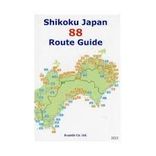
The Shikoku Pilgrimage (Shikoku Henro) is a 1,140 km (700+ mile) circular route around Japan’s Shikoku Island, visiting 88 Buddhist temples traditionally associated with the monk Kūkai (Kōbō Daishi). It is an ancient pilgrimage, usually taking 6–8 weeks on foot, though modern pilgrims may use buses or other transport. Walking the entire loop is a profound cultural and spiritual journey. The route winds through all four prefectures of Shikoku – starting typically at Temple 1 (Ryōzenji) in Tokushima, then roughly clockwise via Kochi, Ehime, and Kagawa prefectures back to Temple 1.
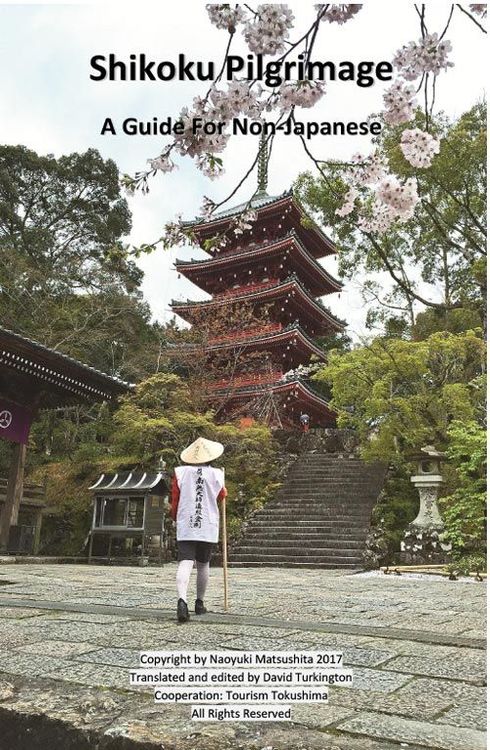
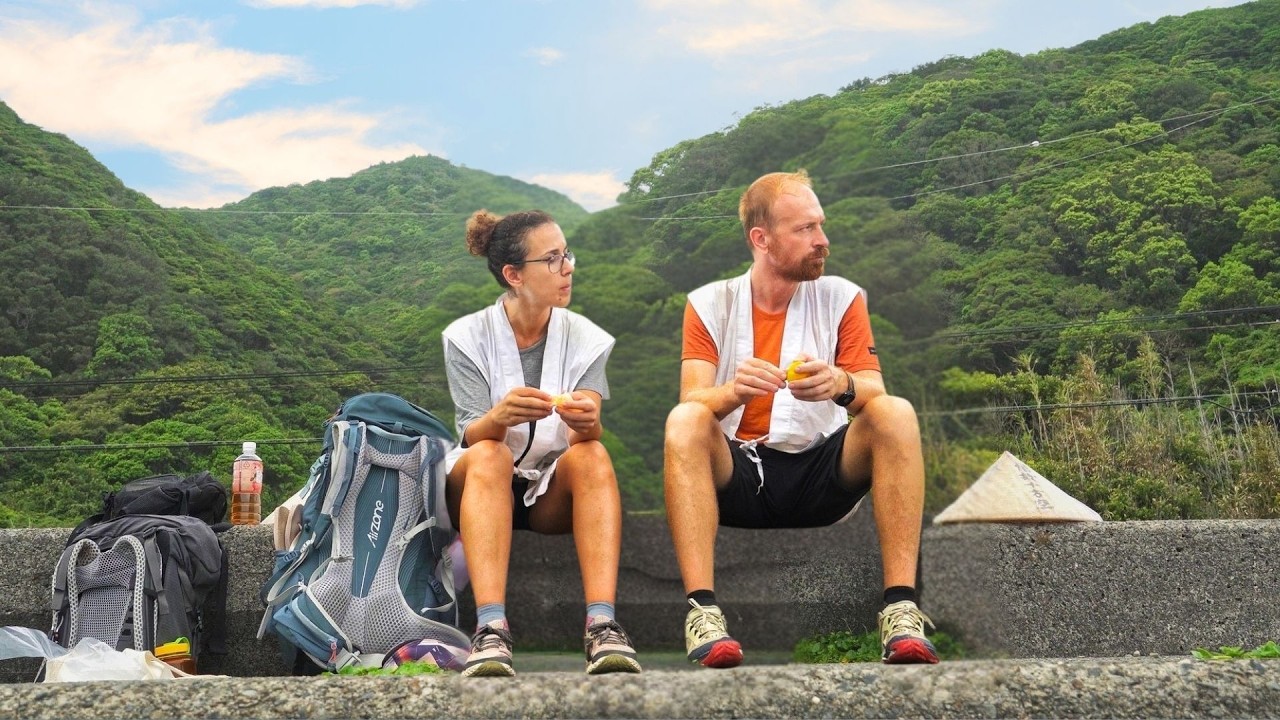
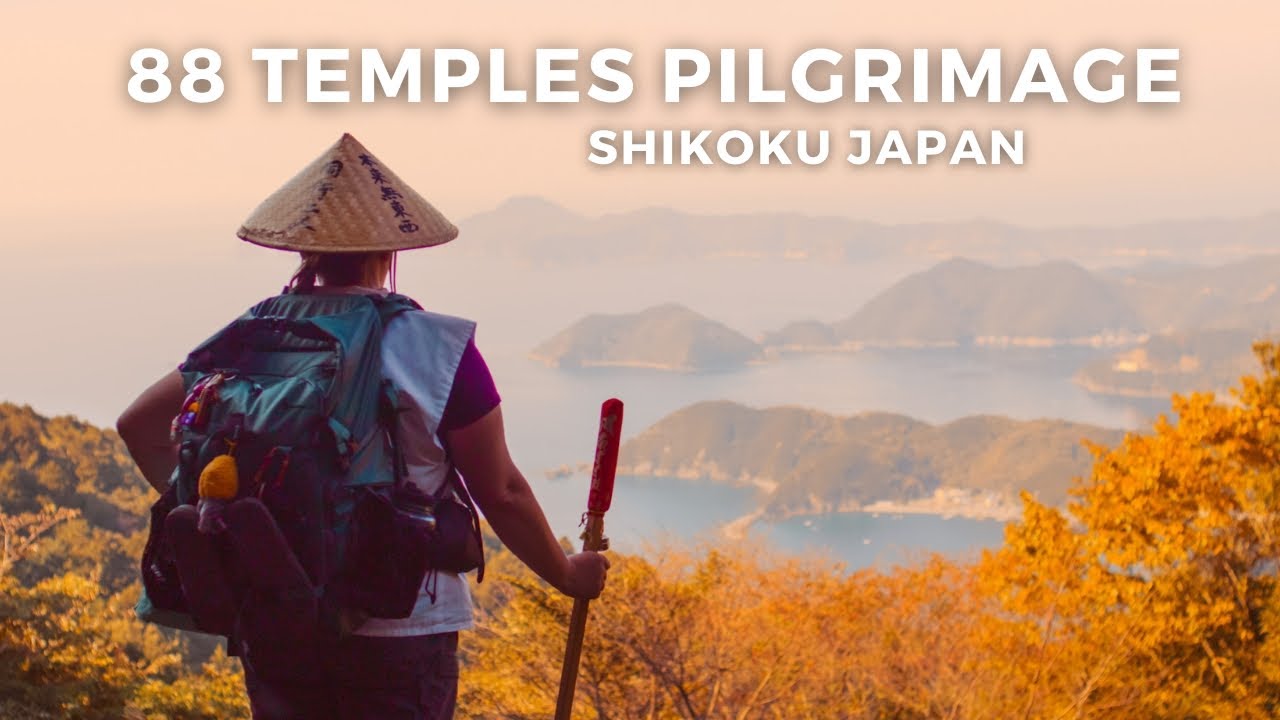
Pilgrims (ohenro) wear white vests and conical hats and carry a staff; along the way they stop at each temple to offer prayers and get a stamp in a special notebook. Terrain varies from urban streets to remote mountain paths. Highlights include climbing to mountaintop temples like Shōsanji (Temple 12) or Unpenji (Temple 66) – the trail’s highest point ~900 m – and walking long coastal stretches beside the Pacific Ocean in Kochi.
The pilgrimage is as much cultural as physical: pilgrims experience traditional lodging at o-settai (free shelters) or henro guesthouses, and locals often offer gifts (osettai) to walkers. The trail is marked by little waymarkers and statues of Kōbō Daishi. While some sections follow roads, many parts lead through bamboo forests, rice paddies, and cedar groves. Completing all 88 temples is believed to confer spiritual merit – the journey is sometimes called a voyage of self-discovery. It encapsulates Japan’s blend of nature, religion, and hospitality in a single, island-long adventure.
Route
Loading the exact GPS route…
Elevation
Loading elevation chart...
Getting There & Back
No single permit; pilgrims can start anywhere, though Temple 1 is common. Most walk clockwise from 1 to 88. Navigation is aided by guidebooks and frequent waymarks (in Japanese; arrows and stickers). A pilgrim carries a stamp book (nokyōchō) to collect red seals at each temple (for a small fee). The trail often parallels roads; caution needed in traffic areas. Resupply is easy – convenience stores and vending machines are ubiquitous in populated parts. Pilgrims often take local transportation for less scenic/urban stretches to save time. The full circuit brings one back near the start, but many take a ferry from Kagawa back to Tokushima. Culturally, proper attire and temple etiquette (sutras, bowing) enrich the experience.
Accommodation
Traditional lodgings (minshuku/ryokan) available near many temples and towns – often catering to pilgrims with meal plans. Some free shelters (tsuyado at certain temples or huts) allow basic overnight stays. Pilgrims also utilize business hotels or camp occasionally. Unique option: some temples offer shukubō (lodging in temple). Reservations often needed at popular inns.