Is a Hiking Holiday Good Value? What a Multi-Day Trek Really Costs
A multi-day hike can deliver days of scenery and discovery without a packed itinerary of paid attractions. See where the money goes, how camping changes the budget, and which Trailhead routes offer flexible ways to stay.
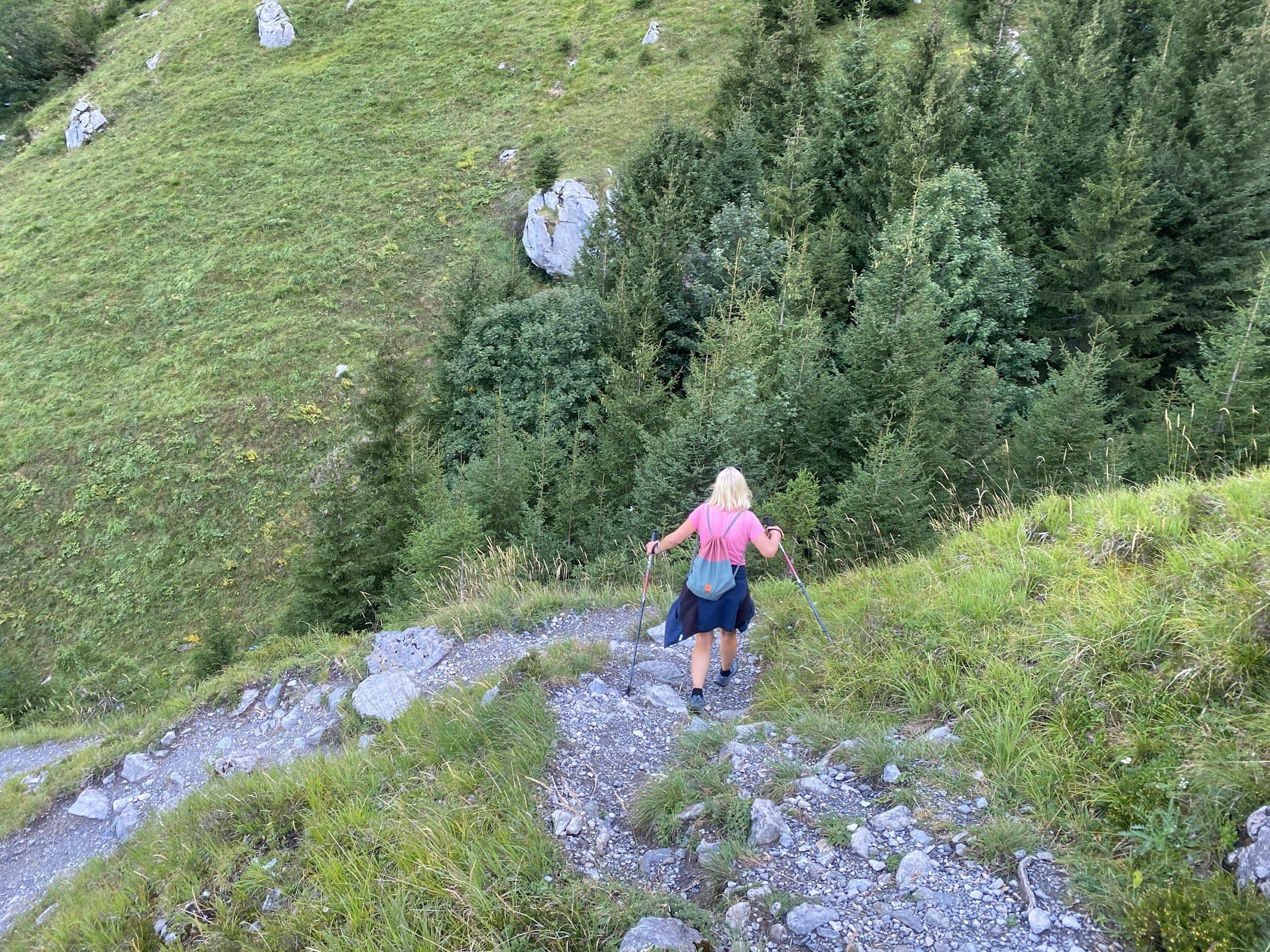
A hiking holiday can give you a full day outdoors, new landscapes to explore and a satisfying reason to slow down. It can also be good value: once you’re on the trail, walking is often the main event, rather than one activity among a long list of paid attractions.
But “hiking is cheap” needs a little unpacking. The route may cost nothing to walk, while the trip still involves transport, food, somewhere to sleep, and possibly new gear or permits. The best value comes from choosing a hike and a style of travel that suit your budget.
What does a hiking holiday actually cost?
Start with the whole journey, not just the trail. The main expenses are:
- Getting to the start and back from the finish
- Accommodation each night
- Food, snacks and water
- Local buses, shuttles or other transfers
- Trail permits, park fees or campsite charges
- Gear you need to buy, rent or replace
- A little extra for delays or unexpected changes
These costs vary a lot between routes. A well-connected trail with villages and shops can be easier to budget for than a remote route that requires extra transfers or expensive resupply. A short trip close to home may also cost less overall than a longer holiday overseas, even if its daily accommodation costs more.
The route’s distance alone doesn’t tell you whether it’s affordable. Think about the cost per day, the length of the trip, and how much of each day you’ll spend enjoying the landscape.
Camping can make nights cheaper
Your choice of accommodation can have a big effect on the budget. In Eurostat’s 2024 data on trips by EU residents, average accommodation spending was €26 per person per night for trips where campsites were the main accommodation, compared with €77 for trips where hotels were the main accommodation. That is a broad EU average, not a price quote for a particular trail, but it shows how much the type of stay can matter. Eurostat: Tourism expenditure
A tent can offer more flexibility and lower nightly costs, especially if you already own suitable equipment. Official campsites may still charge a fee, and facilities, location and seasonal prices differ. Mountain huts and guesthouses bring comfort and convenience, but can cost more—particularly on popular routes or when meals are included.
Wild camping isn’t automatically free or permitted everywhere. Rules vary by country and area, and protected places may have restrictions or require a designated site or permit. In Scotland, responsible lightweight tent camping is allowed in many places under the Scottish Outdoor Access Code, while seasonal byelaws restrict camping in some areas of Loch Lomond and The Trossachs National Park. Always check the rules for the specific route before you go.
Are mountain areas cheaper than capitals?
Sometimes, but there’s no dependable rule that a mountain destination will cost less than a capital. A small village may have fewer places to stay, and a remote trail can mean costly transfers or limited food options. Meanwhile, a city offers more choice in transport, food and accommodation.
For a useful comparison, choose a specific city and a specific hike, then compare the same dates and number of travellers. Include a night’s stay, a day of food, local transport, and any entry, campsite or trail fees. Compare similar options—such as a hostel in the city with a hostel near the trail, or a campsite with a campsite.
Country-wide price indexes can help show how costs differ between countries, but they don’t prove that a mountain town is cheaper than its capital. Eurostat’s price-level data is useful context; it is not a substitute for checking the actual places and dates in your itinerary.
The cost of a night is only part of the budget
Accommodation is a major cost, but it isn’t the only one. Eurostat estimates that accommodation accounted for 35% of tourism expenditure by EU residents in 2024, with transport accounting for 27%. The remaining costs include food and other spending. Eurostat: Tourism expenditure
That’s why a route that looks inexpensive on paper can add up if it involves flights, a hire car, baggage transfers or costly resupply. On the other hand, a trail reached by public transport, with shops and affordable places to stay along the way, may be easier to manage.
Gear deserves the same careful thought. If you already have a tent, sleeping bag and pack, camping may keep the extra cost of your trip low. If you need to buy everything for one holiday, the upfront expense could outweigh the savings. Borrowing or renting can be a sensible way to try a camping trip before investing in a full kit.
Hikes with flexible ways to stay
Some routes offer a choice between camping and indoor accommodation, so you can shape the trip around your budget and comfort level.
- The Lycian Way combines coastal and mountain scenery with village stays, hotels and camping options.
- The Peaks of the Balkans passes through mountain landscapes and villages, with campsites, huts and hotels listed as accommodation options.
- The West Highland Way offers campsites, bothies and hotels. Check local camping rules and book ahead where needed.
- The Tour des Écrins has mountain huts, campsites and some wild-camping possibilities, with restrictions in parts of the national park.
These options don’t make every itinerary equally cheap. They give you different ways to balance cost, comfort, logistics and the kind of experience you want.
How to make a hiking trip go further
A few choices can help keep costs in check without making the trip feel like a compromise:
- Pick a route with practical transport links and reliable places to resupply.
- Consider travelling outside the busiest weeks, while checking what accommodation and services are open.
- Carry some food and self-cater when it’s practical and safe to do so.
- Use, borrow or rent suitable gear before buying a complete set.
- Mix camping with a night indoors when you want a proper rest or a convenient resupply stop.
- Compare the total trip cost, including travel to and from the trail, rather than choosing based on a “free” route alone.
The value that doesn’t fit in a spreadsheet
A hiking holiday is more than the sum of its campsite fees and food shops. It can mean watching the landscape change as you walk, sharing a meal with people you’ve met on the route, or reaching a viewpoint under your own steam.
That doesn’t make hiking the right choice for every traveller, or every budget. But if you want several days of active exploration, a well-chosen trail can offer a lot of experience for the money—and leave you with memories that last longer than the things you might otherwise have bought.